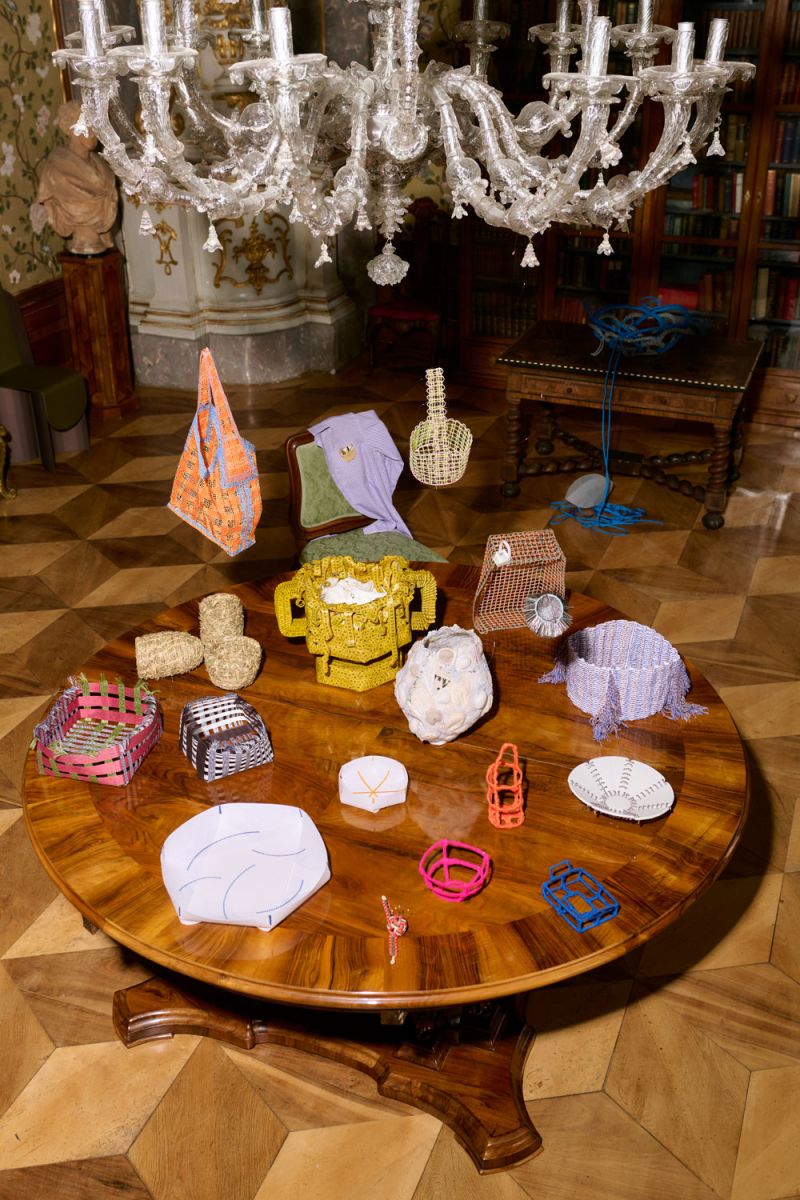
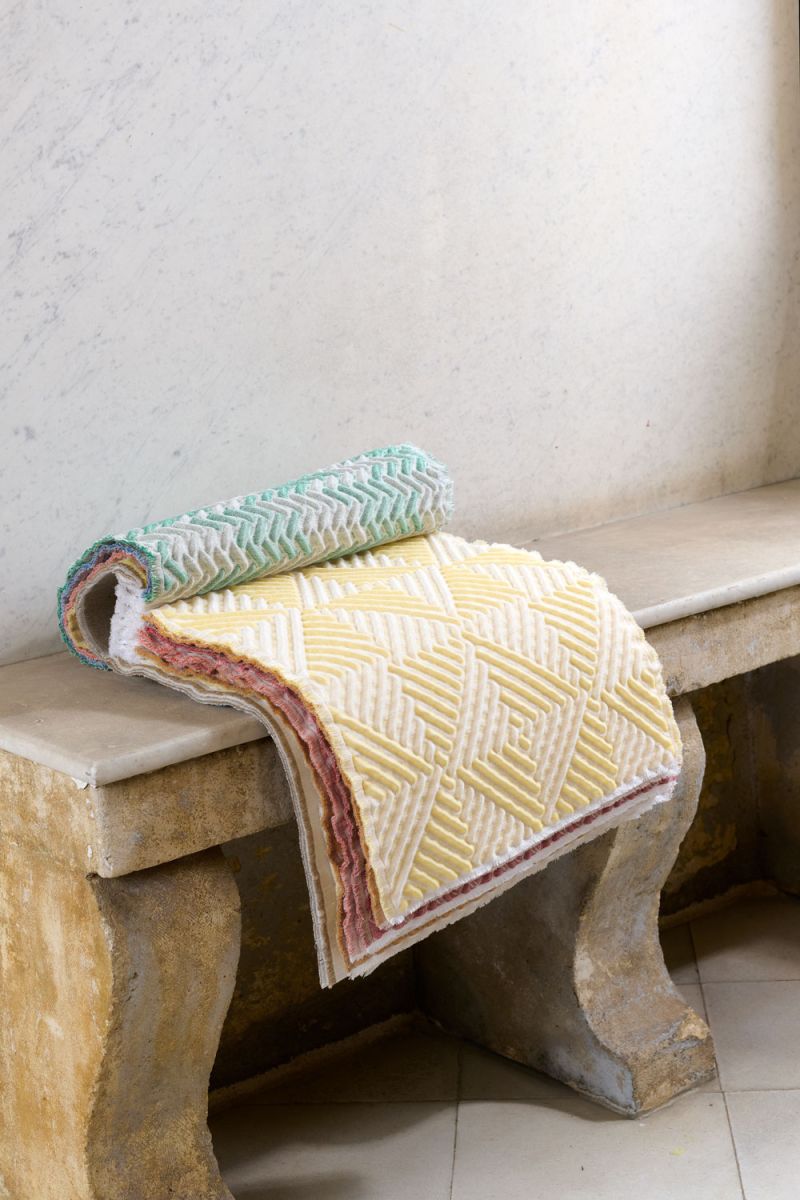
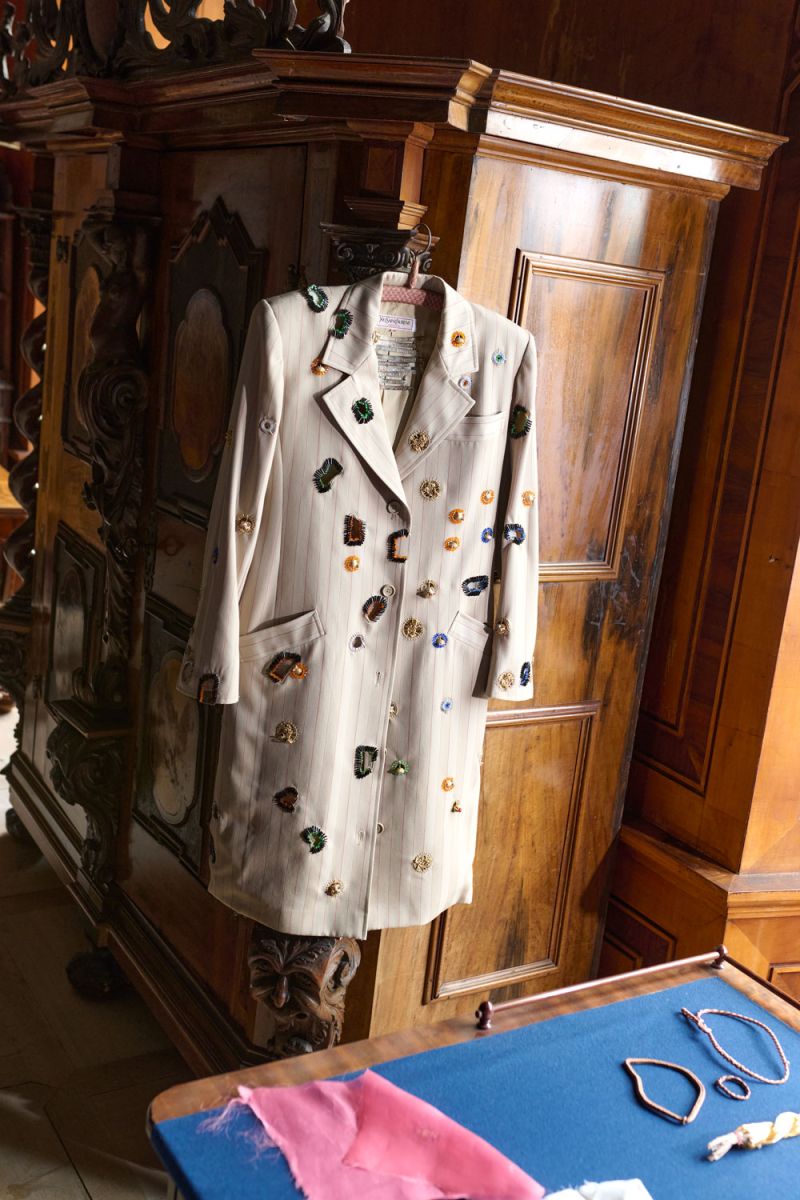
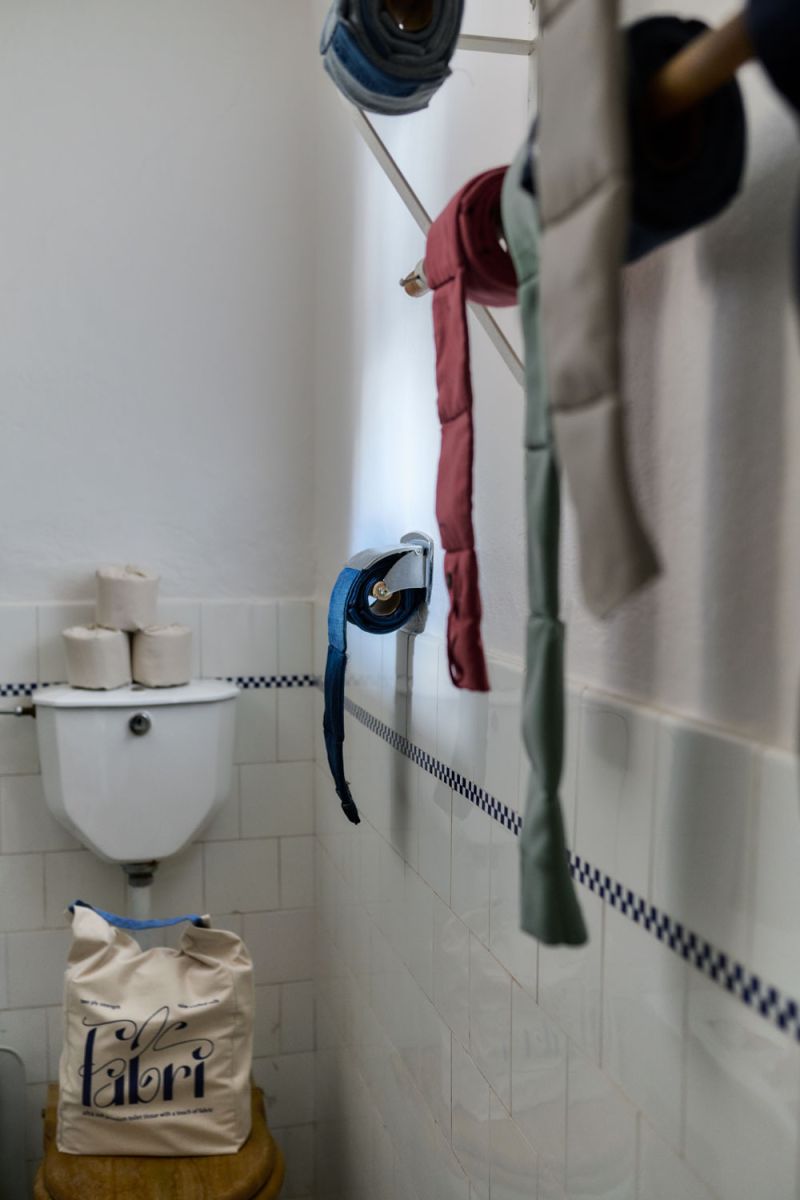
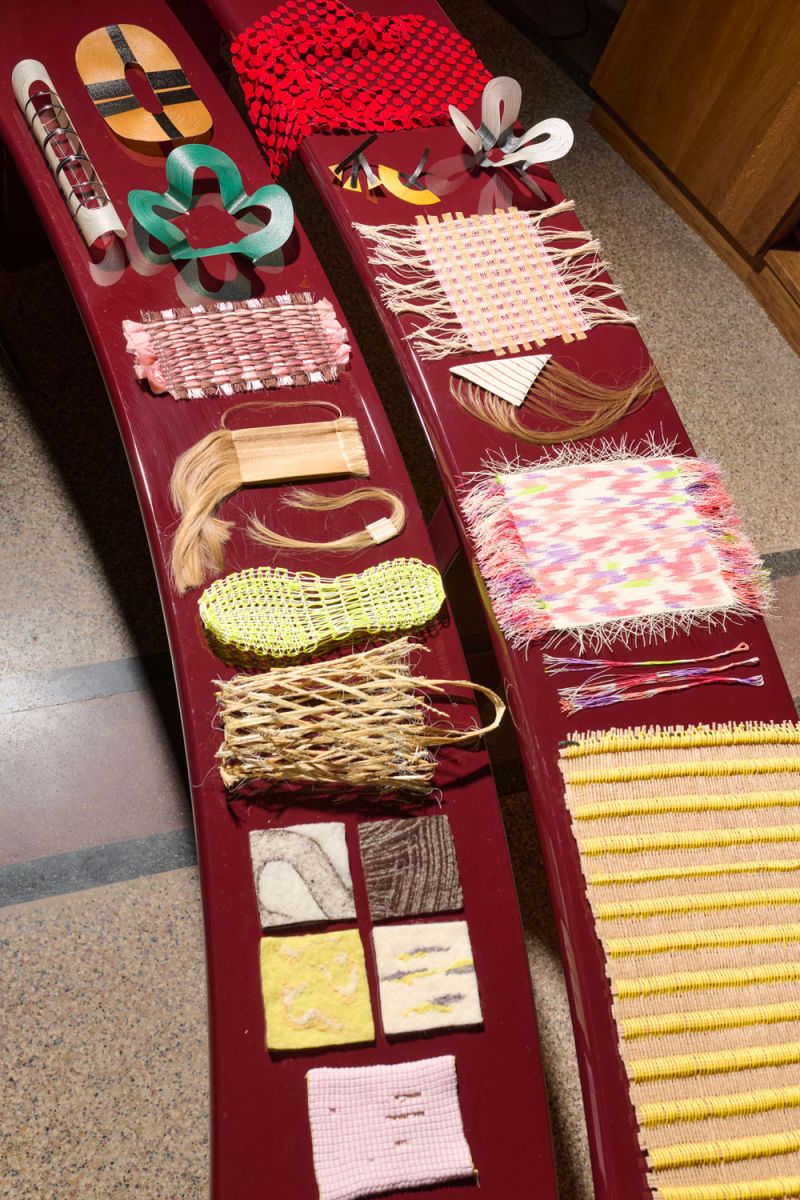
Across many cultures, the cosmos has been imagined as a woven or knotted structure, embroidered at times with celestial bodies. If we extend the definition generously and consider the strands of our DNA as filaments of a thread, we arrive at a compelling perspective: textiles, at their core, are a matter of scale. Not just because they exist in all sizes but because they invite two fundamental ways of seeing.
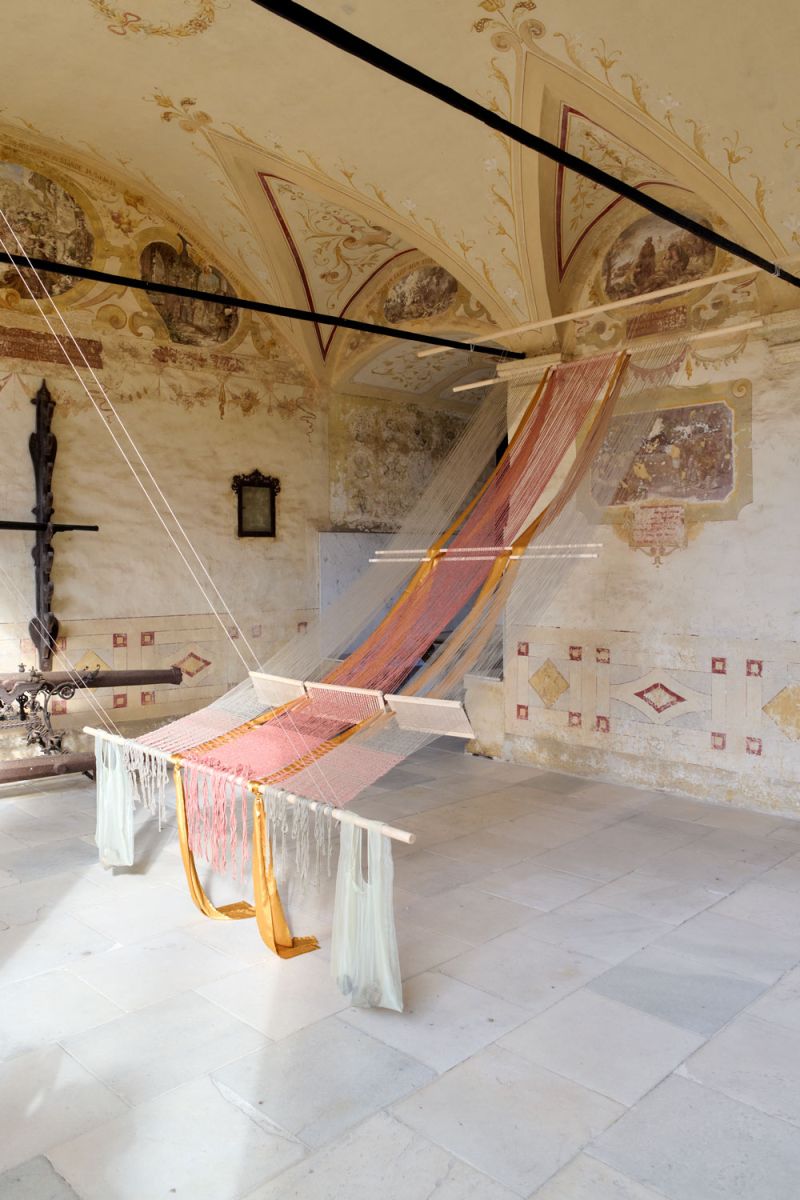
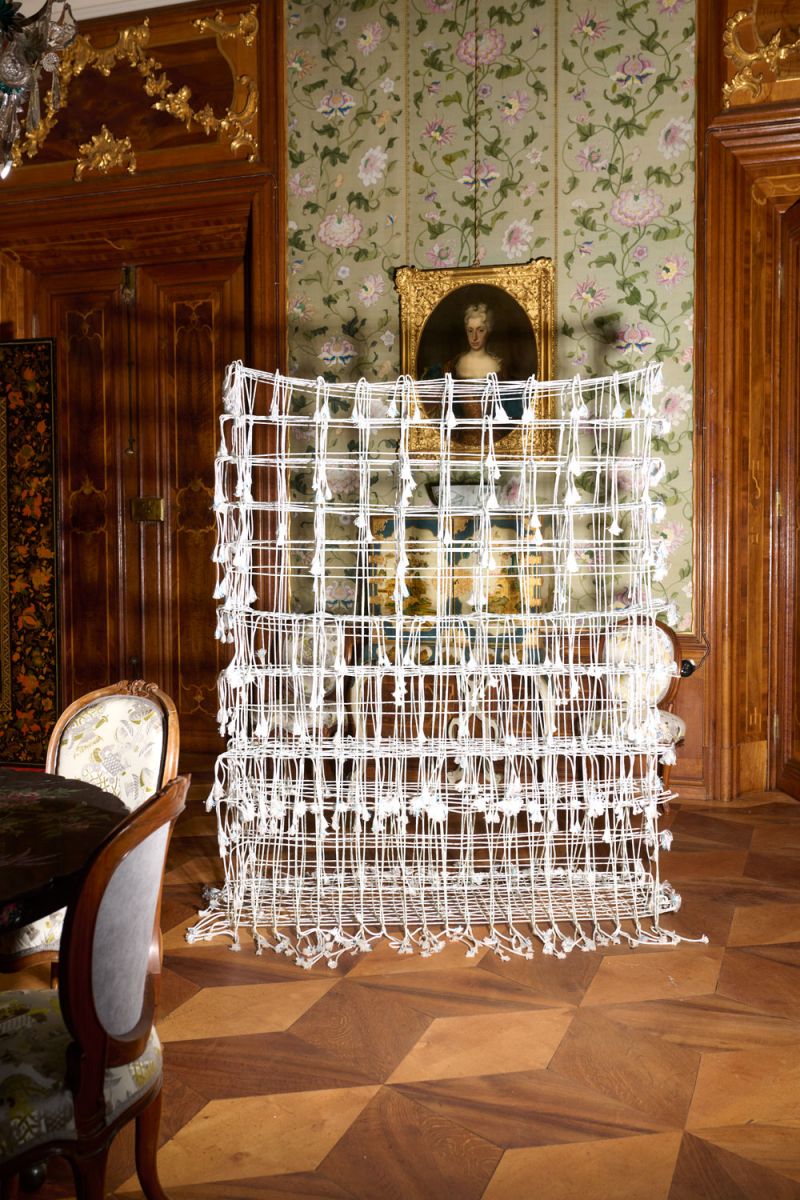
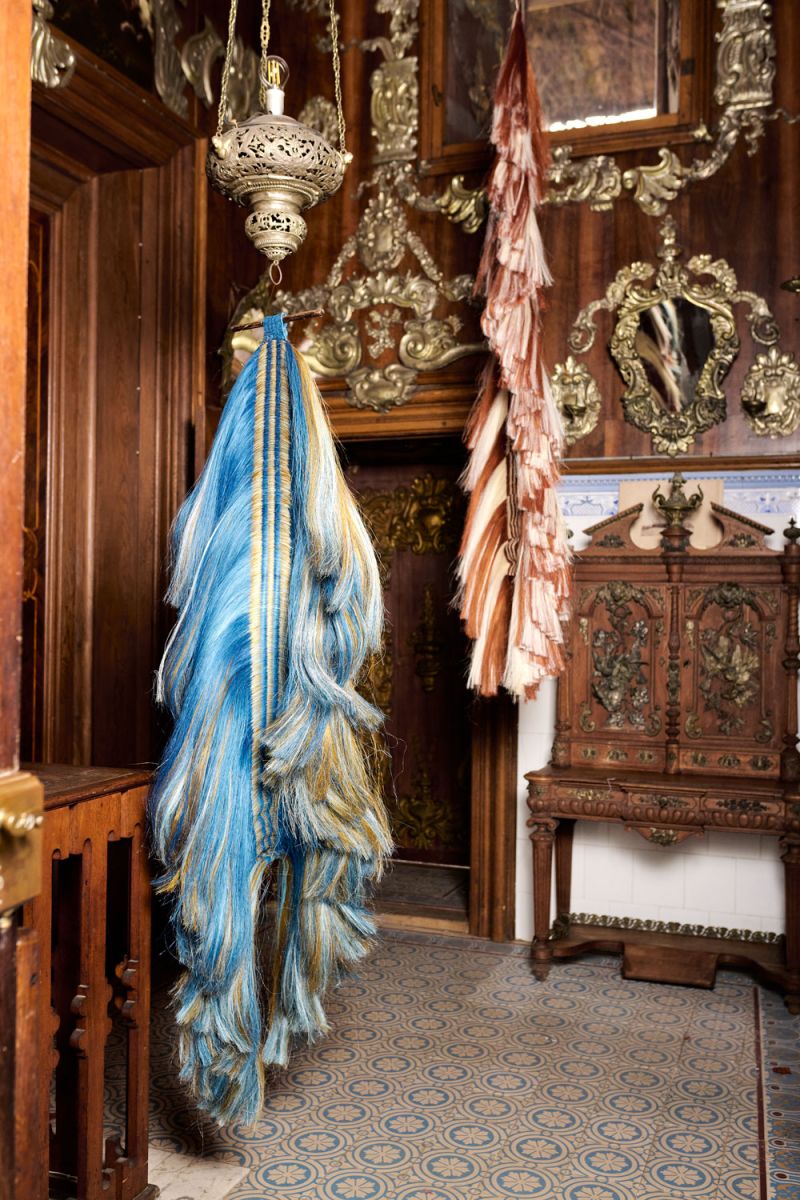
We can zoom in, examining their structure to reveal a landscape of threads: overlapping, interlocking, twisting into knots and loops. By definition, a textile is not a material but an organisation of fibres. For millennia, these fibres, a textile’s raw material, were either made of cellulose or protein and had to be grown by plants or animals. Then come the hands, tools and machines: harvesting, spinning fibres into threads, dying, weaving, felting, knitting or knotting them into a textile.
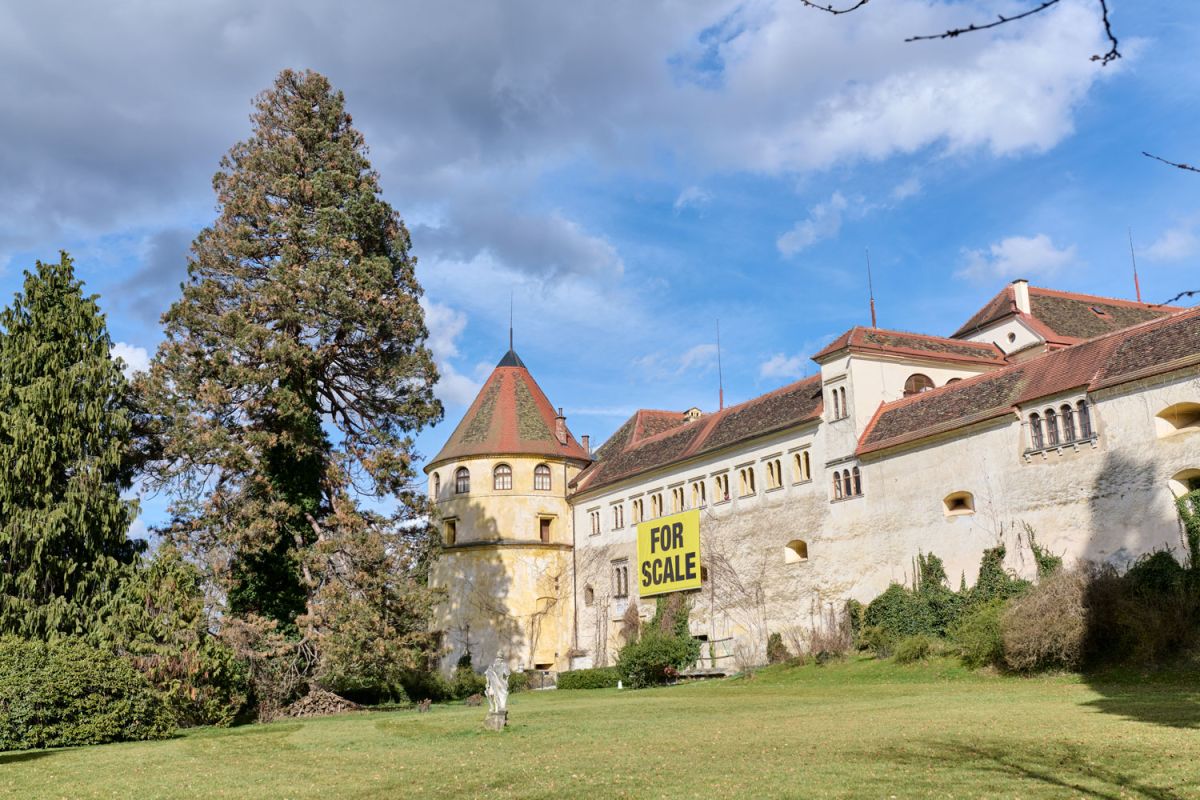
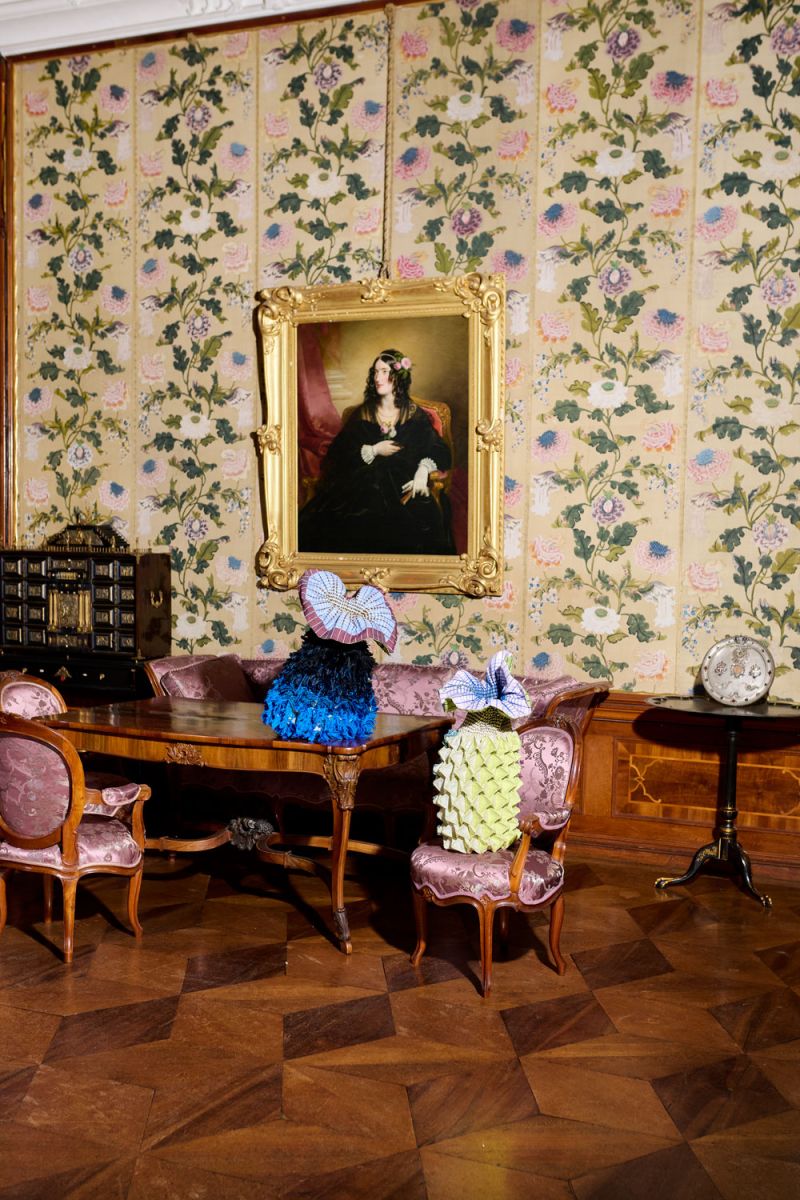
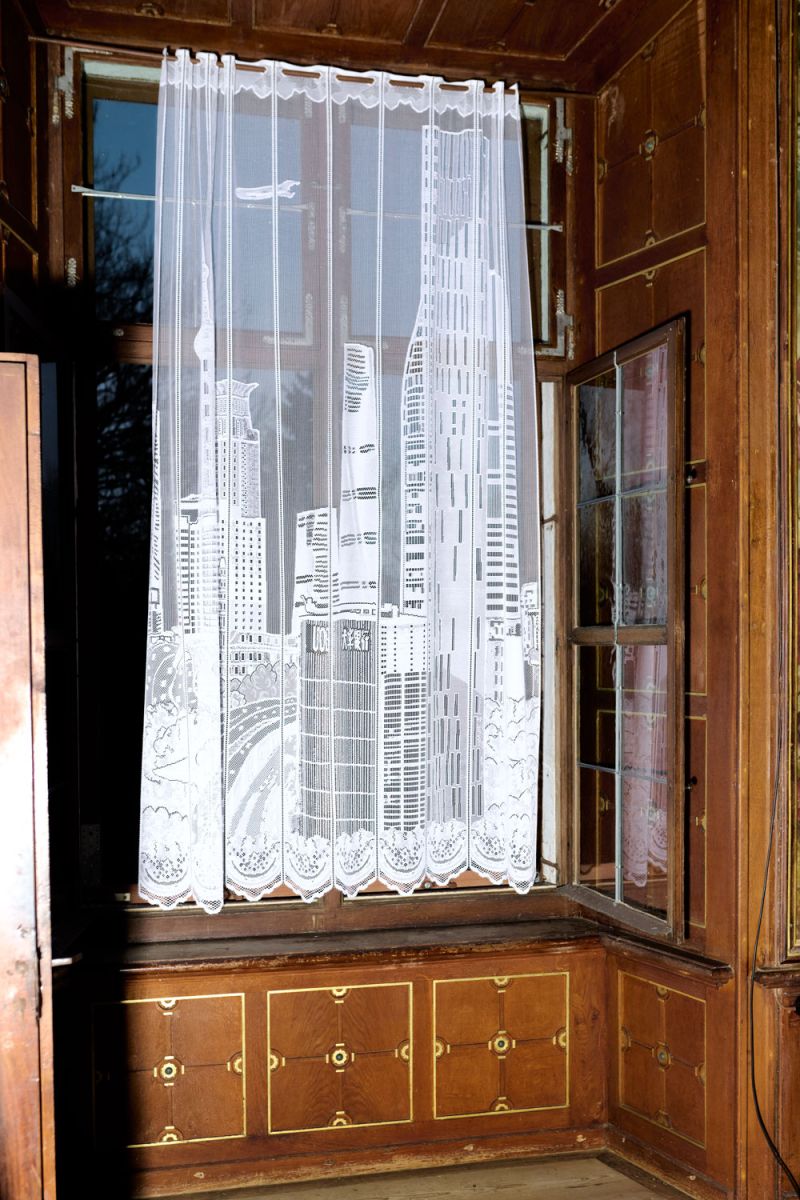
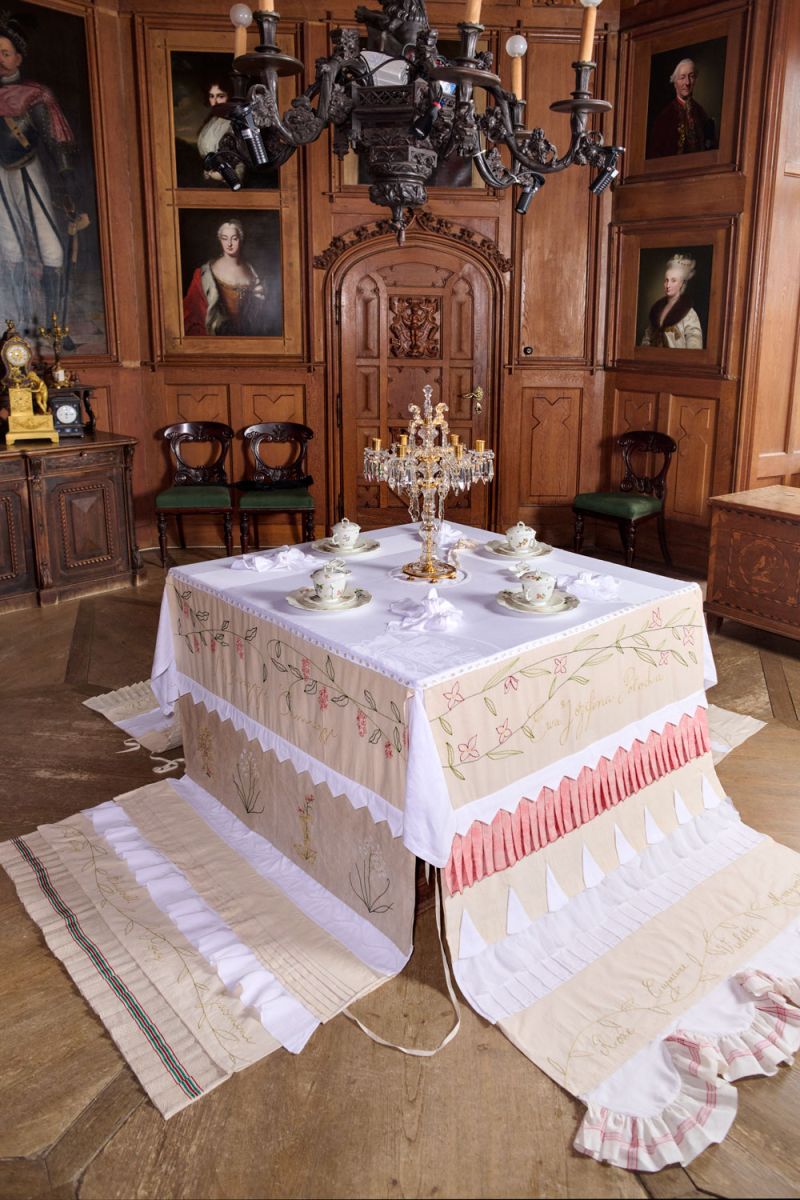
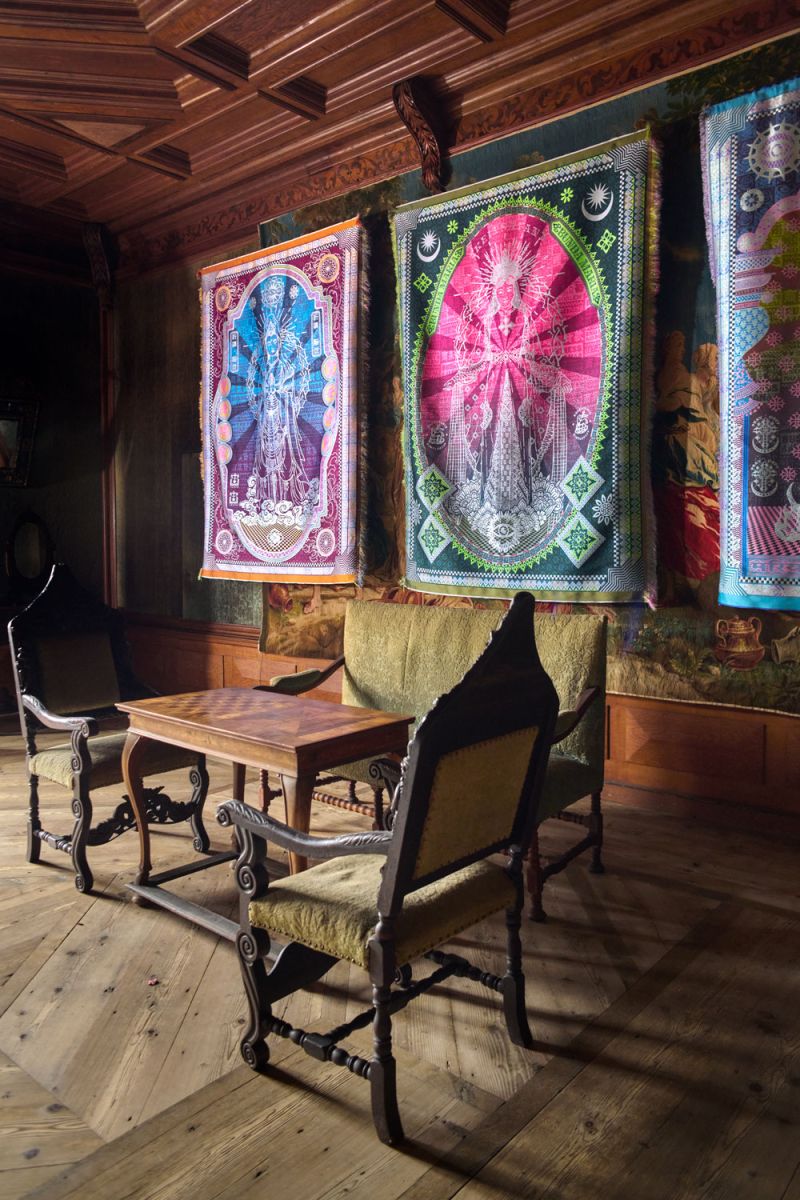
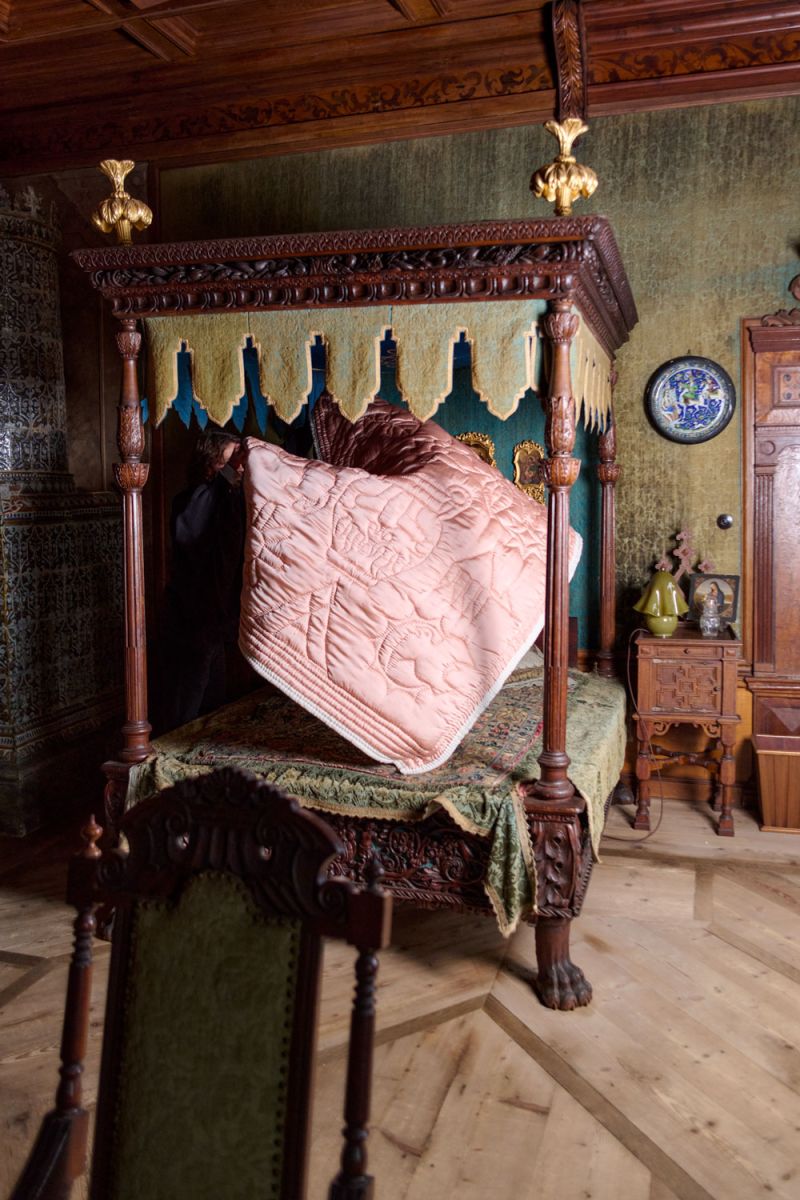
Or, we can step back and observe textiles as surfaces: stretching, bending, draping and transforming spaces. At Schloss Hollenegg, three rooms are clothed in wall tapestries woven in Brussels from silk and wool in the early 18th century and depict scenes from the biblical story of Moses. Within these images, figures gather beneath fabrics draped between tree branches, forming makeshift shelters. In much the same way, the tapestries create intimate spaces for us, absorbing sound, softening the castle’s stone walls and transporting ideas and technology from 300 years ago to the present.
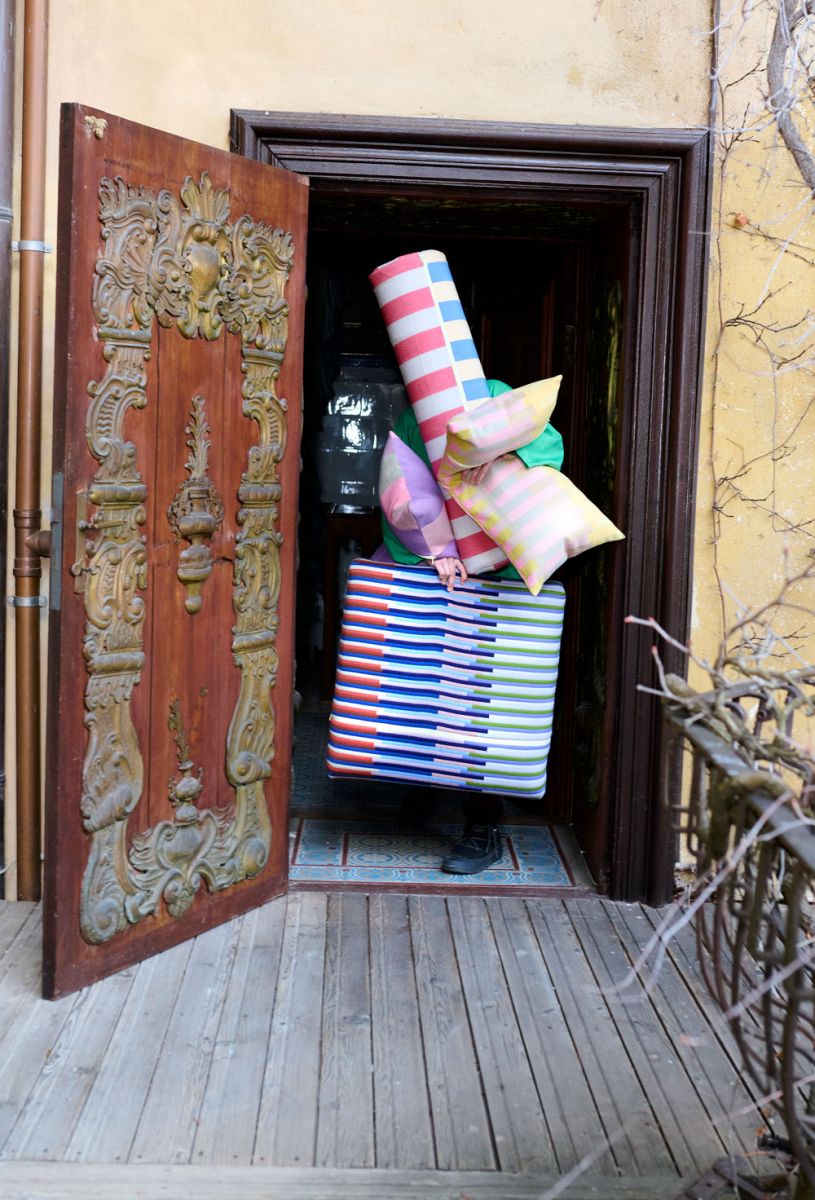
From architecture down to fibre, textiles are so intimately part of our lives that we rarely stop to consider them. This extends to design as a whole: the most commonplace things often receive the least attention. This exhibition is an invitation to zoom in and appreciate
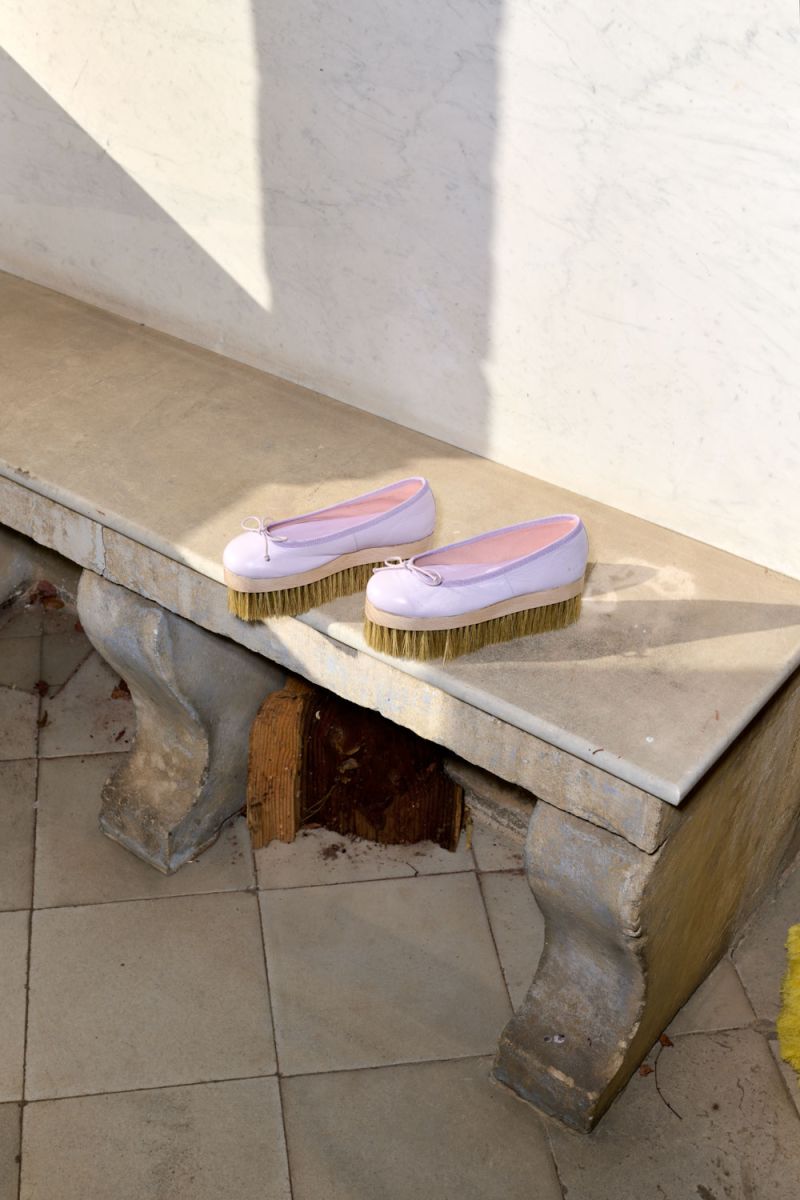
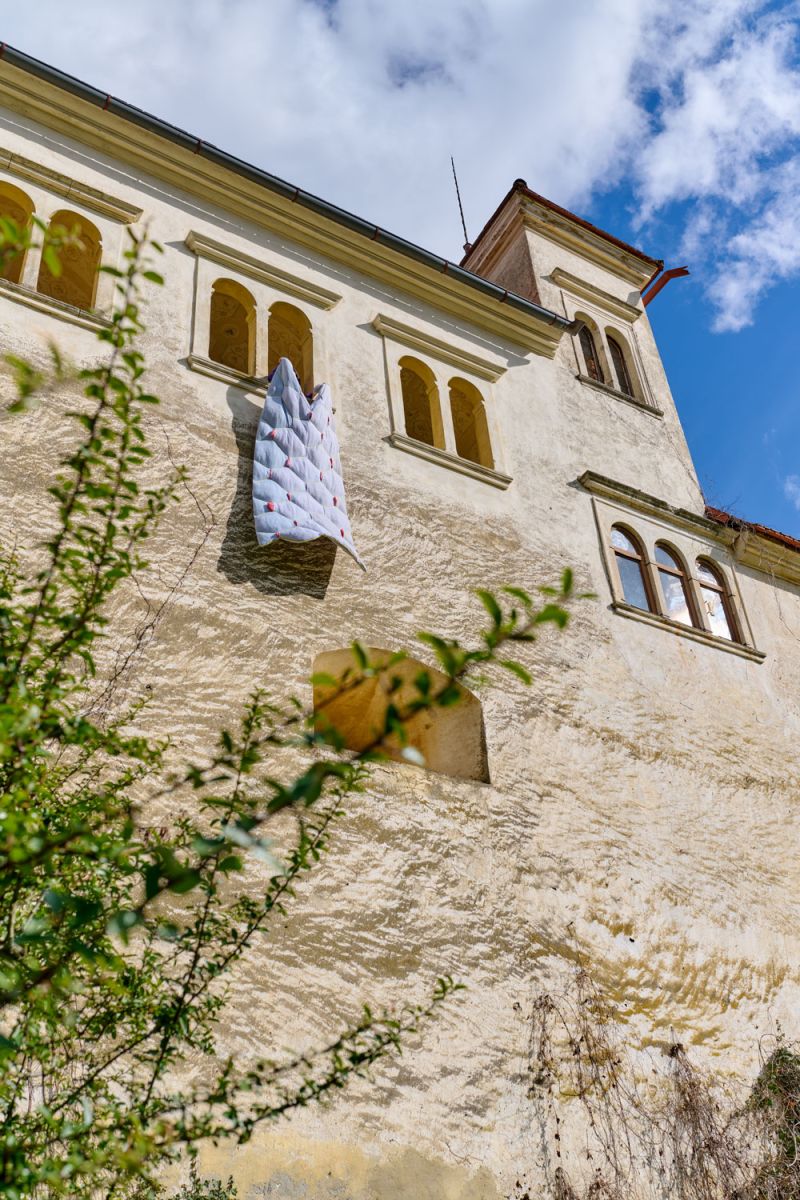
the many ways textiles are constructed and then zoom out to see the impact they have on our lives—whether as tapestries, a banner on a facade, a cleaning mop or a thread holding together a book.
Johanna Pichlbauer
Photography:
Flavio Karrern
Participants:
- Anna Resei
- Aoi Yoshizawa
- Theresa Hattinger
- Alexia Venot
- Anneleen Bertels
- Billie van Katwijk
- Carolin Schelkle
- Dila Demircan Ozer + Joy Hsu
- Duyi Han
- Ege Kökel
- Emilie Palle Holm
- Esther Van Schuylenbergh
- Estelle Bourdet
- Mari Koppanen
- Franciska Meijers
- Fransje Gimbrère
- Hana Tavcar
- Jane Wright
- Lisa Mota
- Magdalena Sophie Orland
- Marcos Kueh
- Paula Holzhauser
- Rosana Escobar
- Sarah Espeute
- Stefan Troendle
- Svenja Bremen
- Yuval Harel
- Zoa Lu Rosenkranz
- Basketclub
Supported by: